
Only quite recently has importance of Nitric oxide gained recognition. Its role in cardiovascular health was validated when the 1998 Nobel Prize was given to scientists that discovered its critical function in regulating blood vessels and blood pressure.
Nitric oxide, aka “NO”, is produced by the endothelial cells in the lining of the blood vessels and is responsible for various crucial physiological functions. One of the most notable is vasodilation, which is the relaxation of blood vessels improving blood flow and oxygen supply to tissues, lowering blood pressure and enhancing overall cardiovascular health. It also works as a neurotransmitter and aids the immune system.
In order to produce this crucial molecule, our bodies need vitamin C as well as nitrate-rich foods.

Boosting Nitric Oxide Levels Naturally
While the body produces NO naturally, unfortunately, its production decreases about 10% every decade. It also further decreases with smoking, eating an inflammatory diet, processed foods, sedentary lifestyle.
In order to increase NO production there are several things you start doing today:
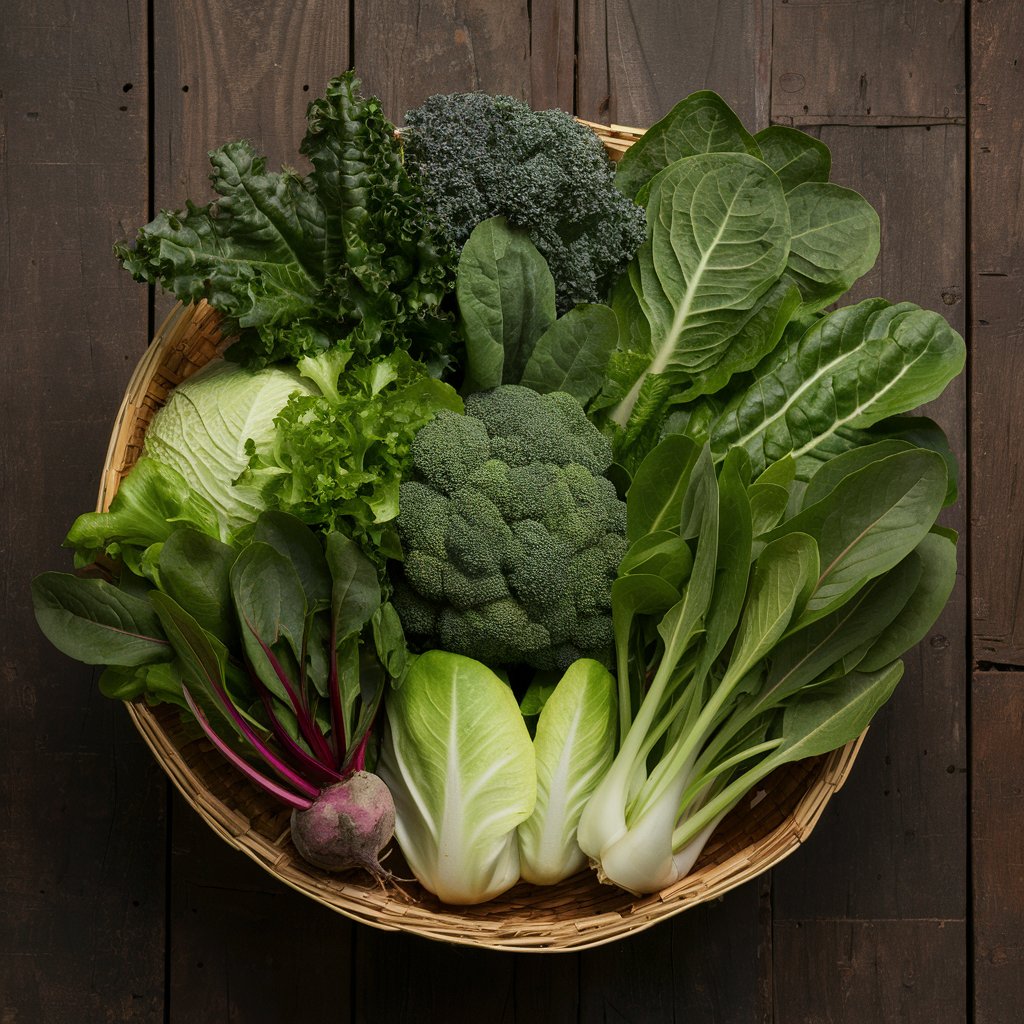
Eat more plants, specially dark leafy greens (like spinach, kale, broccoli, Swiss chard, etc). Many studies have shown that adding a drizzle of any vinegar or even lemon juice can amplify absorption.
Be sure to include vegetables that help in the NO production such as Beets, which are rich in nitrates, Garlic which increases enzymes involved in NO synthesis, Citrus Fruits which are High in vitamin C, and Nuts and Seeds which are Rich in amino acids .
Stay well hydrated by drinking lots of water throughout the day.
Beyond dietary sources, regular exercise is another effective way to boost NO levels. However if you can’t have enough through diet and exercise, you may consider supplements that contain precursors to NO, such as L-arginine and L-citrulline. Always remember to talk with your practitioner before to analyse possible interactions with your medications.

Still not convinced? Here are even more health benefits of Nitric Oxide
- Reducing the risk of heart-related issues.
- Promoting Wound Healing, collagen formation and antimicrobial action.
- Improving Exercise Performance: Athletes on a nitrate-rich diet experience better performance and slower fatigue onset.
- Supporting reproductive processes in both males and females, from ovulation and fertilisation to pregnancy maintenance and sperm maturation.
- Enhancing cognitive abilities, lowering the risk of neurodegenerative diseases, reducing inflammation and brain blood flow in general.
Recognising Symptoms of Low Nitric Oxide

Since as we age, our body’s ability to produce NO decreases, leading to potential deficiencies it is important to recognise the common symptoms of low NO:
- Depression: Reduced NO levels can impair blood circulation and increase inflammation, contributing to depression.
- Poor Vision: Inadequate NO can affect fluid regulation in the eyes, leading to increased pressure and weaker vision.
- Fatigue: Lowered NO levels decrease cellular energy, leading to chronic fatigue.
- Hypertension: NO deficiency can result in high blood pressure, increasing the risk of cardiovascular problems.
- Memory Loss: Reduced blood flow to the brain due to low NO can cause cognitive decline and memory issues.
Genetics load the gun, but it is your lifestyle that pulls the trigger.
 Healthy Paula
Leave a comment