Parkinson’s is a neurological disorder best known for causing tremors, stiffness and difficulty with movement. However, long before these movement issues begin, 70% of people with Parkinson’s experience digestive problems like constipation. Researchers now believe this isn’t a coincidence. They have found that certain beneficial bacteria, including Prevotella, Faecalibacterium and Roseburia, are reduced in PD patients, while others, like Lactobacillus and Bifidobacterium, are increased, possibly due to the disease’s impact on gut motility.
This dysbiosis, or imbalance in gut microbiota, contributes to a pro-inflammatory state that exacerbates PD symptoms. By restoring a healthy balance of gut bacteria through diet, it may be possible to reduce inflammation and improve PD outcomes.
The Power of a Healthy Diet
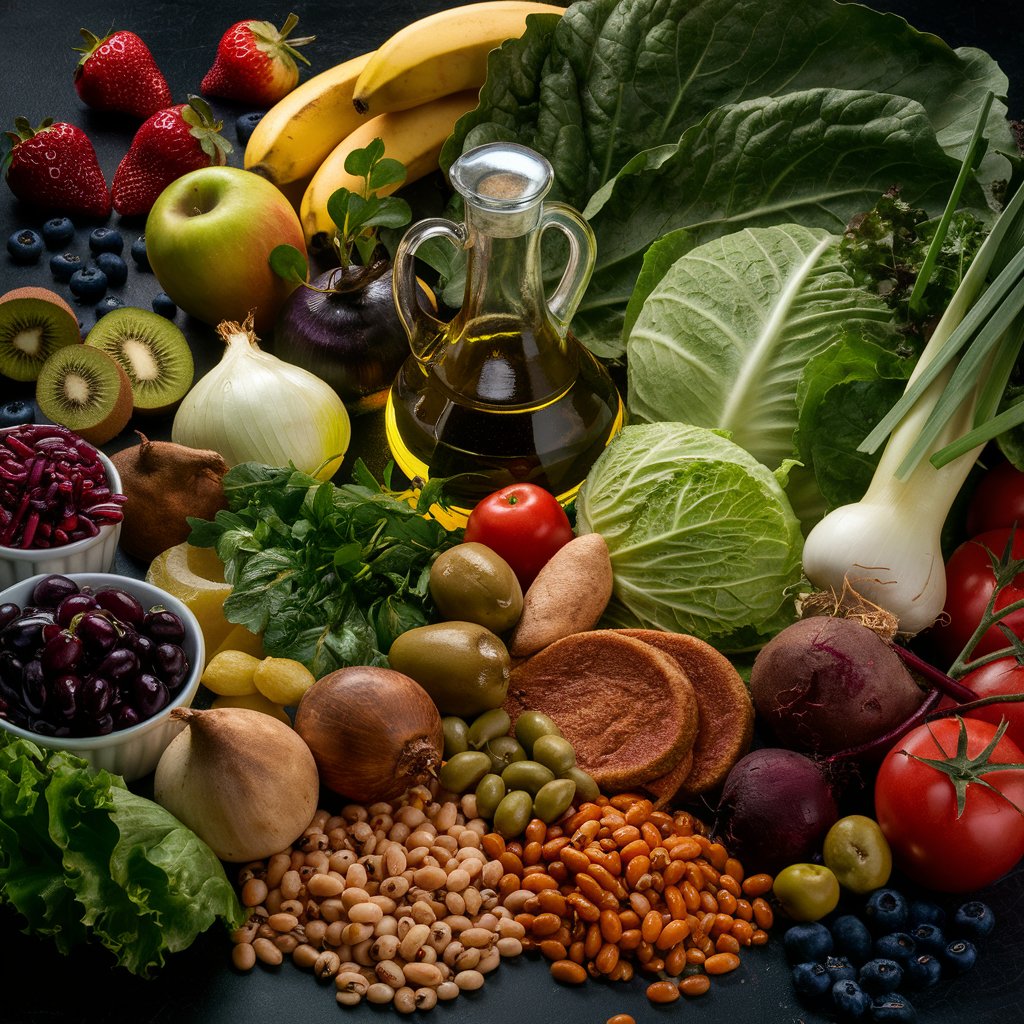
Recent research, revealed a profound connection between the gut and brain linking the gastrointestinal tract and the central nervous system. Evidence suggests that a Mediterranean diet rich in plant-based foods, including fruits, vegetables and olive oil, positively influences gut microbiome composition, delaying or even halting the progression of PD.

PD patients that a have diet high in fibre and low in added sugars presented an increase in beneficial, anti-inflammatory bacteria, such as Butyricicoccus and Coprococcus 1. These bacteria produce butyrate, a short-chain fatty acid with potent anti-inflammatory properties, which strengthen the gut’s mucus barrier, protect against inflammation and support healthy brain function.
On the contrary, higher intake of added sugars was linked to an increase in pro-inflammatory bacteria, like Klebsiella, exacerbating neuroinflammation and worsen PD symptoms.
Let food be thy medicine
The plant-based Mediterranean diet has long been associated with numerous health benefits, including improved cardiovascular health and cognitive function. Now, its role in managing PD is coming into focus.
Moreover, the Mediterranean diet’s rich array of antioxidants and anti-inflammatory compounds can further enhance brain health by reducing oxidative stress and supporting neuronal survival.
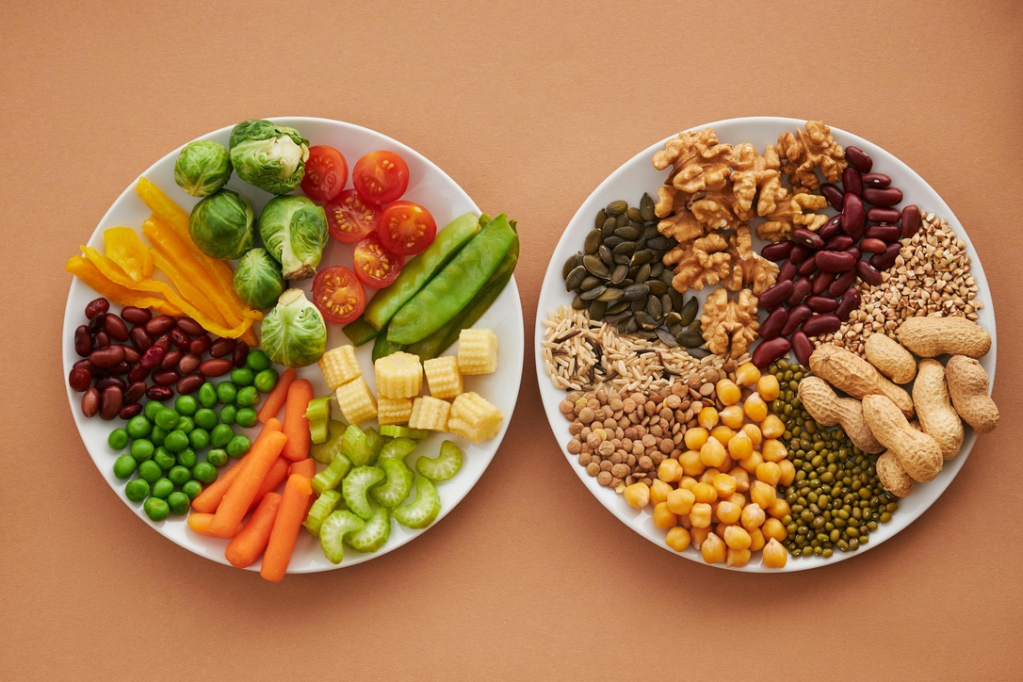
To support a healthy gut and potentially delay PD appearence or progression, experts recommend:
- Increasing Fiber Intake: Aim for at least 14 grams of fiber per 1,000 calories consumed. Fiber-rich foods like fruits, vegetables, whole grains, and legumes promote the growth of beneficial gut bacteria.
- Incorporating Prebiotics: Foods like bananas, onions, garlic, and artichokes feed healthy gut bacteria and support a balanced microbiome.
- Focusing on Whole Foods: A diet centred around whole, plant-based foods can increase microbial diversity and enhance overall health.
- Limiting Added Sugars: Reducing sugar intake can help prevent the growth of pro-inflammatory bacteria linked to worsened PD symptoms.
In the future, personalised nutrition plans based on an individual’s gut microbiome composition could become a key tool in managing PD, offering hope for improved quality of life through simple dietary changes.
So, why not give the plant-based Mediterranean diet a try? Your gut — and your brain — might thank you.
 Healthy Paula
Leave a comment