
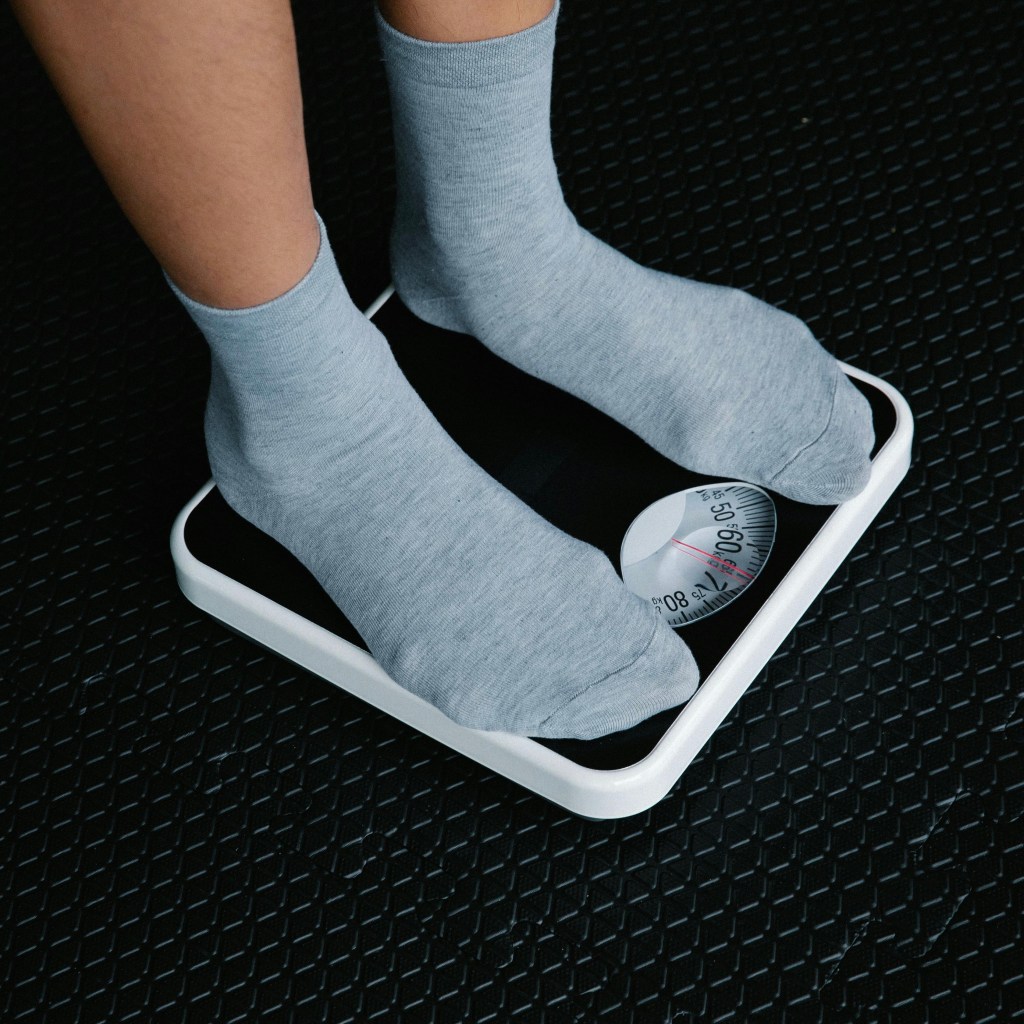
We’ve all heard the dreaded phrase: “Wait until you hit 40—your metabolism will stall and the weight will pile on!” It’s as if the moment you blow out those birthday candles, your metabolism stops responding. But here’s the thing: this idea that age is the primary reason you’re gaining weight is more myth than fact. Let’s debunk it.
The Metabolism Myth
Yes, metabolism slows down with age, but not as dramatically as we previously believed. A comprehensive study published in Science in 2021 shook the foundations of everything we thought we knew. Researchers analysed people ranging in age from 8 days to 95 years in 29 countries. And guess what they found? Metabolism stays surprisingly stable from your 20s to your 60s! It only starts to slow down around age 60—and by less than 1% a year.
So, if you’re 35, 45 or even 55, the idea that your metabolism is dramatically slowing down and causing weight gain is simply not true. It’s not your age: it’s your habits and lifestyle choices that are the real culprit.
Behind Midlife Weight Gain
So, if age isn’t to blame, what is? Well, it’s a mix of factors, most of which are entirely within our control:

- Muscle
As we age, we tend to lose muscle mass. Why? Muscle is metabolically active tissue, meaning the more muscle you have, the more calories you burn even at rest. Studies show that from the age of 30, adults lose about 3% to 8% of muscle mass per decade if they’re not engaging in resistance training (Current Opinion in Clinical Nutrition & Metabolic Care, 2010). So, yes, losing muscle contributes to fewer calories being burned, but it’s not your age that’s directly doing this—it’s the lack of muscle maintenance. - Lifestyle
You’re juggling game: career, family, social commitments. Exercise becomes an afterthought and everyday movement . A Harvard Medical School report highlights that reduced physical activity as we age is a key factor in weight gain, not necessarily the inevitable aging process itself. - Stress
Stress is another sneaky contributor. When you’re stressed, your body produces more cortisol, which has been linked to increased abdominal fat storage. A 2015 study in Obesity revealed that people with chronic stress had higher levels of cortisol and more belly fat. And then there’s sleep—or lack thereof. And JAMA Internal Medicine confirmed that people who get less than 7 hours of sleep per night were more likely to gain weight.

- Hormones
Ah, hormones. Particularly for women, menopause is a time when estrogen levels decline, leading to fat redistribution—often toward the midsection. Men aren’t off the hook either: testosterone levels decrease with age, contributing to muscle loss and fat gain. But, as research from The Journal of Clinical Endocrinology & Metabolism indicates, hormonal changes don’t directly make you gain weight—they simply make it easier for your body to store fat, especially when combined with poor lifestyle habits. - Mindset
We’ve been conditioned to believe that weight gain is an inevitable part of aging, so many people simply give up. Mindset is powerful. If you think your body’s against you, it probably will be. Studies on “self-efficacy,” like one from Psychology & Health, show that when people believe they can control their weight through lifestyle choices, they’re likely to succeed.
5 Simple Solutions—At Any Age
Now that we’ve debunked the myth that aging = weight gain, let’s talk solutions. These strategies won’t just keep the weight off, but they’ll also make you feel stronger, healthier and more energised.

1. Build Muscle with Resistance Training
This is non-negotiable. Strength training is the secret weapon against age-related muscle loss. A study published in The American Journal of Clinical Nutrition found that adults who engaged in regular strength training burned more calories, had less body fat and enjoyed better metabolic health than those who didn’t. Start with two to three strength-training sessions per week, focusing on major muscle groups. You’ll boost your metabolism and feel stronger than ever.
2. Move More Throughout the Day
You don’t have to run marathons or spend hours in the gym to burn calories. The NEAT (Non-Exercise Activity Thermogenesis) effect refers to the calories you burn just by going about your day—walking, cleaning, gardening even fidgeting. A 2017 study in Obesity showed that increasing daily movements—like taking the stairs or walking during phone calls—can make a big difference in weight management. The goal? Just move.
3. Prioritise Sleep
Remember that sleep and weight are closely linked. Aiming for 7-9 hours of quality sleep each night will help regulate your hormones, reduce stress and keep your metabolism humming. A study in Annals of Internal Medicine showed that people who were sleep-deprived lost more muscle mass and less fat when trying to lose weight. So make sleep a priority.
4. Eat Protein at Every Meal
Protein isn’t just for bodybuilders. It’s crucial for muscle maintenance and satiety. Protein helps boost metabolism, maintain muscle and curb hunger. Aim to get good quality protein at every meal. Do as the Blue Zones: add beans and legumes every day.

5. Manage Stress (for Real!)
This one’s easier said than done, but stress management is key to preventing weight gain. Chronic stress leads to cortisol spikes, which can increase appetite and fat storage. Stress-reducing activities like yoga, meditation, or even deep breathing can help lower cortisol levels and reduce stress-induced weight gain.
Getting Honest
Weight gain isn’t an inevitable part of aging and your metabolism isn’t the enemy. By taking care of a few strategic points—like building muscle, managing stress and moving more—you can keep your weight in check and feel great at any age.
Age may bring wisdom, but it doesn’t have to bring extra weight!
 Healthy Paula
Leave a comment