
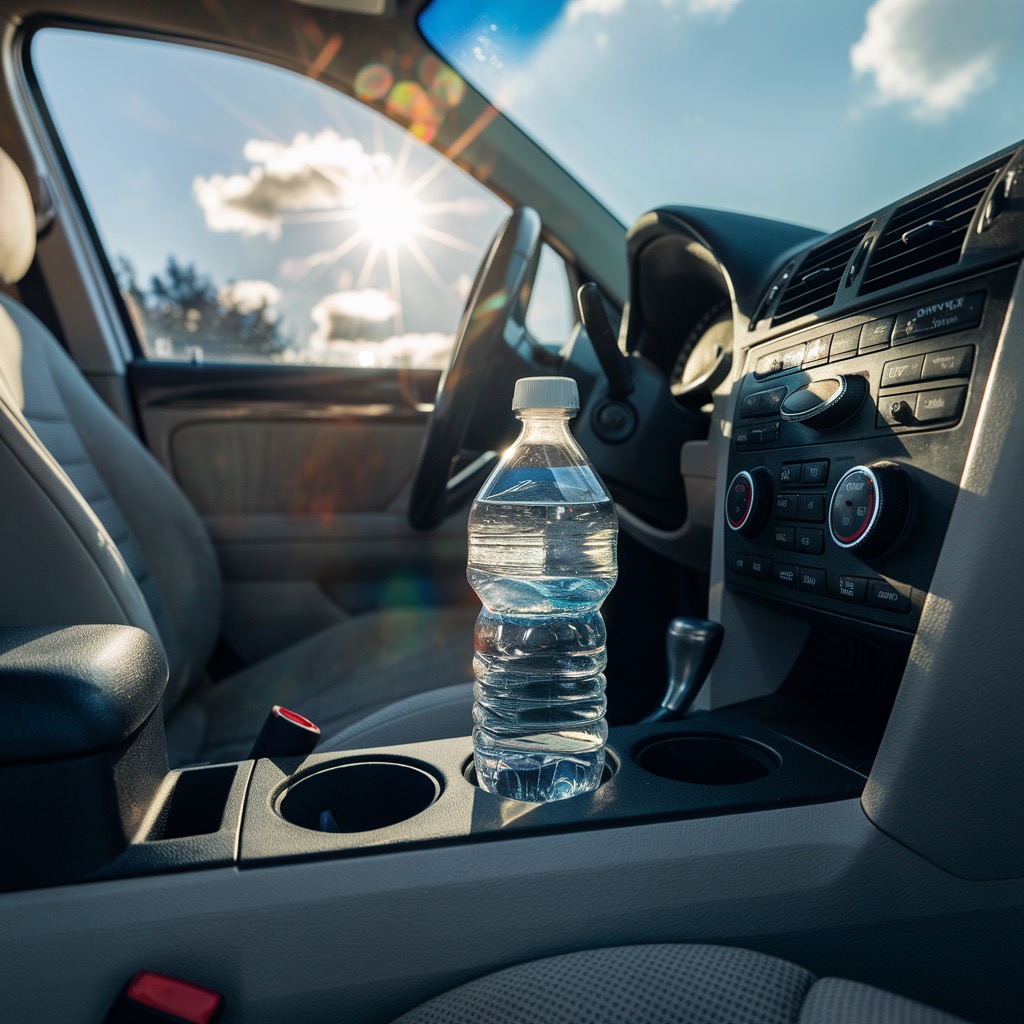
It’s a blazing hot day and you grab a bottle of water that’s been sitting in your car. You take a sip, grateful for the refreshment. But, what if I told you that along with that water, you are drinking a myriad of chemicals that could be wreaking havoc on your health? While it may seem like a harmless habit, exposing plastic water bottles to heat, and especially direct sunlight, can release toxic chemicals into the water: chemicals that your body doesn’t want or need.
This isn’t a new issue. Concerns about plastic water bottles have been circulating since at least 2013, but recently, new research has taken the debate to a whole new level. If you’re still skeptical, buckle up.
Plastic Water Bottles: A Recipe for Disaster?
Let’s start with a shocking statistic. A recent study (PMID: 38190543) found that a liter of bottled water contains about 240,000 tiny pieces of plastic. Yes, you read that right. And about 90% of these plastic fragments are nanoplastics, which can easily enter your bloodstream. While scientists are still studying the long-term effects of these microscopic particles, it’s pretty clear: ingesting plastic is not part of a healthy lifestyle.
The Heat Effect: Why It’s Worse Than You Think
The danger of leaving plastic bottles in the heat has been known for years, but recent studies underscore just how risky this habit can be. The problem is heat accelerates the breakdown of plastic, causing chemicals like BPA, BPS and phthalates to leach into the water.
- BPA and Its Evil Cousins (BPS and BPF)
BPA, an industrial chemical that’s been under fire for its potential to cause endocrine disruption, is mostly no longer used by companies in their bottles. The bad news? They’ve replaced it with BPS and BPF, which are no better. When these chemicals leach into your water (especially when exposed to heat) they can mimic hormones, throwing your body’s natural balance out of whack. Endocrine disruption can affect your metabolism, leading to weight gain, hormone imbalances, and an increased risk of certain cancers.
- Phthalates: The Sneaky Toxins
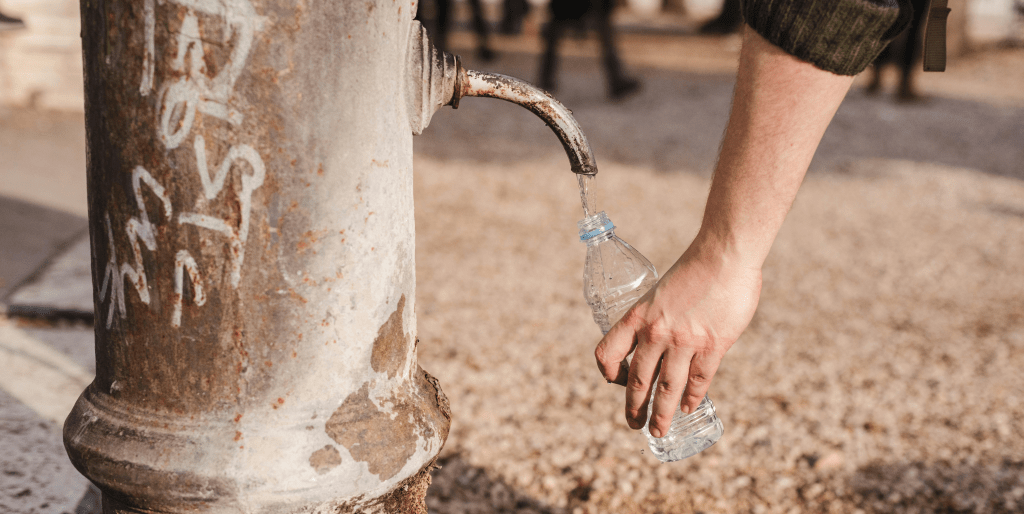
Phthalates are another group of chemicals found in plastics. These are used to make plastics more flexible but can interfere with your hormone system. Studies have shown that phthalates can leach from plastic bottles into the water, especially when heated. These chemicals have been linked to developmental issues in children and fertility problems in adults. - Health Risks on the Horizon
Beyond immediate effects, long-term exposure to the chemicals found in heated plastic bottles has been associated with an increased risk of cancers and metabolic diseases. And it doesn’t stop there—plastic chemicals can have a cumulative effect on your body, meaning the more you’re exposed over time, the higher your risk. While grabbing a hot water bottle once in a while will not send you into a health crisis, consistently consuming these chemicals can build up over time, leading to chronic health issues.
- Not just an Environment problem
Each year, millions of plastic bottles end up in landfills, where they take hundreds of years to decompose. As plastic breaks down into microplastics, these particles contaminate our water sources, soil and even the air we breathe. Choosing reusable alternatives not only protects your health but also reduces your environmental footprint. It’s a win-win.
The Solution
The good news is you don’t have to swear off bottled water forever. But making informed choices can go a long way in protecting both your health and the planet. Here are five simple things you can do:
- Opt for Reusable Bottles Made of Stainless Steel or Glass
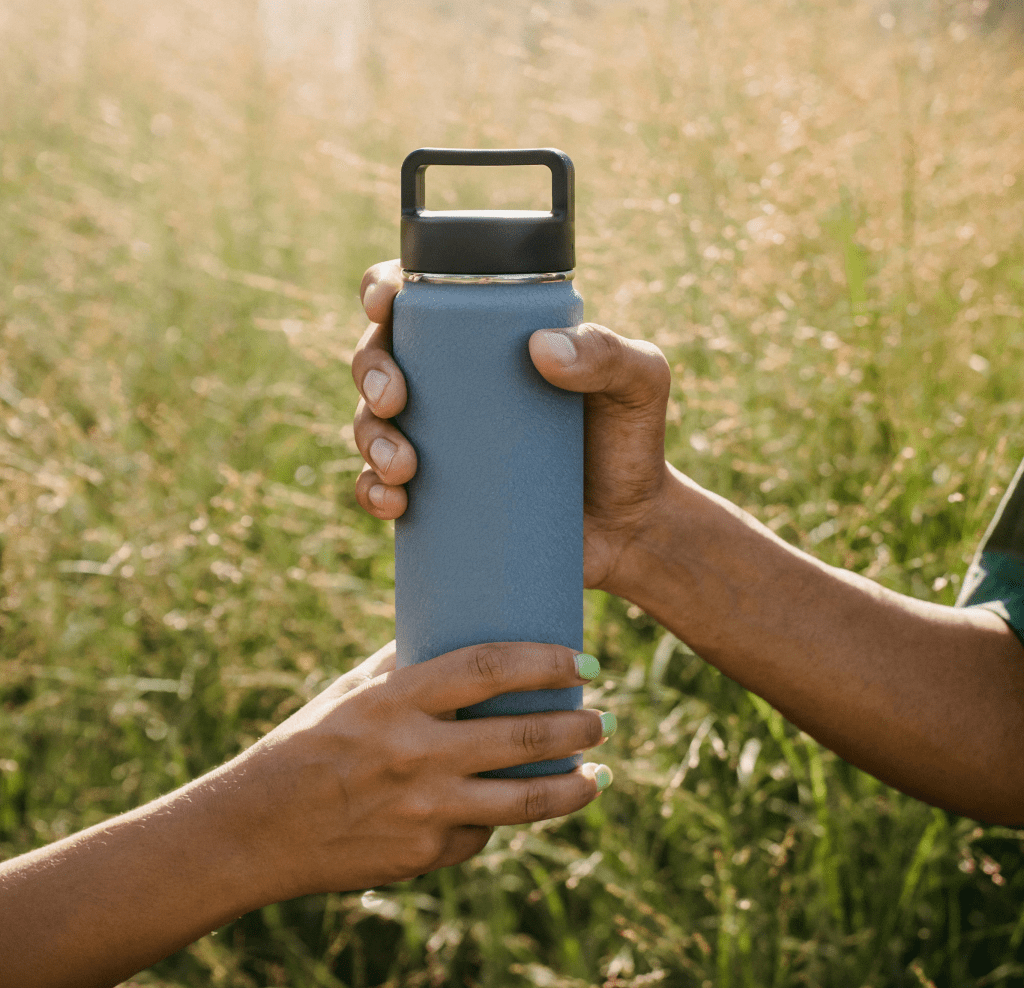
One of the simplest ways to avoid plastic chemicals is to switch to reusable water bottles made of stainless steel or glass. These materials don’t leach harmful chemicals and are far more durable than their plastic counterparts. Plus, their stylish designs that will make you the envy of your pilates class.
- Avoid Leaving Plastic Bottles in Hot Places
If you’re still using plastic bottles, avoid leaving them in your car, on your porch or where they are exposed to heat. Even if they’re labeled BPA-free, the heat can still cause other chemicals to leach into your water. Yes, this includes reusable plastic bottles! - Check Where Your Grocery Store Stores Bottled Water
Ever notice bottled water stored outside the grocery store in the heat of summer? Bad idea. Pay attention to how your store handles its bottled water, and try to avoid buying bottles that have been sitting in direct sunlight or hot environments. - Don’t Reuse Those Plastic Bottles
Refilling single-use plastic water bottle might seem like a sustainable choice, but it could be doing more harm than good. These plastic bottles are designed for exactly that: one use. Reusing them increases the risk of leaching harmful chemicals into your water. Stick to bottles made for multiple uses.
- In a Pinch? Drink Water Anyway
If you’re outside and the only option is a plastic bottle that’s been sitting in the sun, don’t dehydrate yourself. Staying hydrated is always more important than avoiding plastic. But if plastic bottles are something you buy regularly, consider making the switch to healthier alternatives.
Final Thoughts
We’ve known since 2013 that plastic water bottles and heat are a toxic combination, but new research continues to underscore just how harmful these chemicals can be. With recent studies showing the presence of nanoplastics in bottled water, the stakes are higher than ever. The good news is that making a few simple changes like switching to reusable bottles or paying attention to how your water is stored, can significantly reduce your exposure to harmful chemicals. So, the next time you reach for that plastic bottle that’s been lounging in the sun, think twice. Your body will thank you.
 Healthy Paula
Leave a comment