
Let’s talk about a love story between a ruby-red (or sparkling amber) liquid in a glass and the promise of a cascade of health benefits. Yes, I’m talking about wine. We’ve all heard the stories: it is heart-healthy, it can stave off Alzheimer’s and it’s a key component of the Mediterranean diet, synonymous with longevity and vitality. But here’s the twist in the tale—despite all these lauded benefits, I’ve decided to ditch alcohol. And trust me, it wasn’t a popular choice. But recent studies have given me a reason to put the cork back in the bottle. So, grab your favorite herbal tea, green juice or mocktail and let me tell you why.
The “Benefits”
Wine, particularly the kind made from dark-colored grapes, has long been celebrated for its potential health benefits. “Drinking one glass of red wine a day is good for your heart.” This belief mainly stems from the presence of resveratrol, a plant compound found in red wine that’s been linked to several health benefits.
Resveratrol is indeed an antioxidant and we know antioxidants are our body’s superheroes. They fight off those free radicals that can cause cell damage, contribute to aging and even lead to diseases like cancer. In red wine, resveratrol is believed to help reduce inflammation, lower LDL cholesterol (the bad kind) and prevent blood clots. Sounds great, right?

Then there’s the Alzheimer’s connection. Some studies have suggested that resveratrol protects your brain from the buildup of plaques associated with Alzheimer’s. This was a major headline grabber. “Drink red wine, keep your brain sharp!” Who wouldn’t want that?
Not to mention, red wine is an integral part of the Mediterranean diet, which is associated with reduced risk of heart disease, diabetes and even extended life expectancy. People in the Blue Zones, who seem to live forever, often enjoy a glass of wine with dinner.
So, with all these points in its favor, why would I, a health coach who loves a good holistic habit, give up alcohol? Here is the other side of the story.
Time to Reconsider?
While red wine has been basking in the health halo for decades, recent studies have been casting some serious shadow on its reputation.
For years, it was believed that only heavy drinking was a significant risk factor. However new studies suggest that even low to moderate drinking can significantly increase the risk of breast cancer specially in menopausal in women, as well as cancers of the liver, mouth and throat. The WHO has classified alcohol as a Group 1 carcinogen, which puts it in the same category as smoking and asbestos. Let that sink in for a moment.
Then, there’s the impact on our brains. The research that initially linked red wine to potential cognitive benefits is now being countered by studies like the one published by The Lancet, showing that any amount of alcohol, even moderate drinking, is associated with a decrease in brain volume. And while a shrunken brain might sound like the stuff of science fiction, it’s a very real concern that can affect cognitive function as we age.
Speaking of aging, let’s go back to Alzheimer’s. While resveratrol has been shown to have some protective effects, the reality is that the amount you’d need to consume to get those benefits is far more than what’s in a single glass of wine. To match the doses used in some studies, you’d have to drink a gallon of wine each day—not exactly a practical or healthy solution. Moreover, alcohol itself is neurotoxic, meaning it can damage your neurons, which is the oposite of what you want to keep your brain sharp in your later years.
And it’s not just about the long-term effects. Even in the short term, alcohol can mess with your sleep and, as someone who values a good night’s sleep as much as a good pilates session, this was a dealbreaker. We know that sleep is one of the pillars of health: when it’s disrupted, everything else starts to stagger.
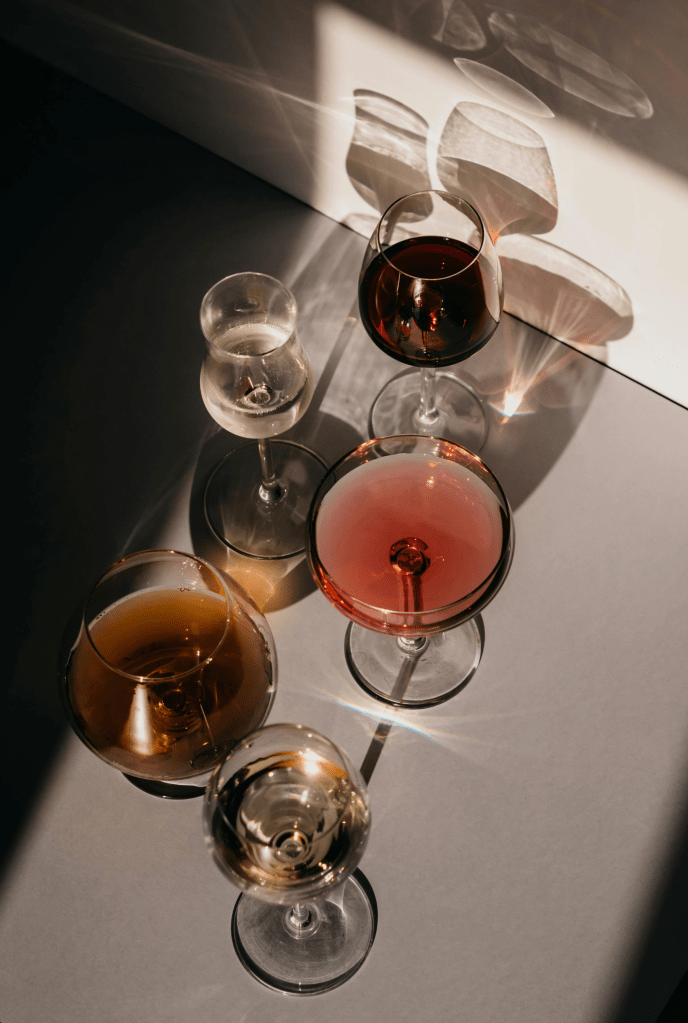
But that’s just the tip of the iceberg. Let’s dive into more reasons for bidding my glass of red wine or champagne, good bye:
- Even a limited or moderate amount impairs protein processing because the liver prioritises metabolising alcohol over any other function. This means that the protein from your diet, which is crucial for muscle repair and growth, doesn’t get processed efficiently.
- Alcohol interferes with the protein synthesis pathways, meaning that muscle is built less efficiently. For anyone who’s serious about maintaining or building muscle, this is a significant drawback. And as a menopausal woman, this is critical.
- Alcohol interferes with hormones needed to produce muscle, especially by lowering testosterone and increasing cortisol. Cortisol is the stress hormone that can lead to muscle breakdown, and alcohol is known to boost its levels.
- Building muscle is more difficult during menopause and alcohol makes it even more challenging, especially around the belly and visceral fat, which has been proven to be the most dangerous. This supports the correlation between belly fat and alcohol consumption, no matter the weight.
- Alcohol reduces nutrient absorption, particularly of vital minerals like zinc and magnesium, which are essential for immune health and overall well-being.
- It’s a diuretic, making skin look less plump and young. Dehydration from alcohol can lead to dry, dull skin and over time, it can accelerate the aging process.
- It causes brain cell degeneration, which can lead to cognitive decline as we age. (https://doi.org/10.1038/s41467-022-28735-5)
- It kills bacteria—and while that might seem like a great thing, in reality, it means that both the bad and good bacteria in your gut get destroyed. This can lead to poor gut health, (https://doi.org/10.3390/jcm10030541)which we now know is linked to everything from poor immunity to mood disruptions, depression to Parkinson’s.
- It’s a serotonin disruptor, making it more difficult to obtain a good night’s sleep. (https://doi.org/10.1038/s41380-023-02375-7). This also increases cortisol levels and impacts estrogen levels, leading to more stress and hormonal imbalances.
- It affects cognitive functions, contributing to what’s often called brain fog by suppressing the neuron networks that are a huge part of making memories and remembering.
- It overall increases inflammation, which can lead to systemic inflammation—a precursor to many chronic diseases and increased mortality rates.
This is where it turns personal

After weighing the pros and cons, I made the decision to forgo alcohol all together. But that doesn’t mean I will lecture my dinner table and will never toast. Life is about balance. Will I raise a glass during the holiday season? Absolutely. But I may include a mocktail to my choices to support my health with habits that don’t come with these risks.
I’ve also doubled down on my commitment to the Mediterranean diet, focusing on the foods that provide those same heart-healthy benefits. I’ve started incorporating more resveratrol-rich foods into my diet, such as grapes, blueberries and dark chocolate. These foods give me the antioxidant boost I’m looking for, without the need for a corkscrew.
The Bottom Line
Red wine will likely remain a symbol of sophistication and health for many and if you choose to enjoy a glass here and there, that’s perfectly okay. But it’s important to stay informed and make choices that align with your personal health goals. For me, the new wave of research was enough to tip the scales and I’m happy with my decision to trade in my champagne glass for something a bit more refreshing.
So, the next time you’re at a dinner party and someone extols the virtues of their nightly glass of red, you can smile, nod and know that you’re making the choice that’s right for you—whether that’s sticking to the seltzer or enjoying a small pour of Pinot Noir. After all, the best health advice is the one that fits into your life in a way that feels good, both today and for the long run. Cheers to that!
 Healthy Paula
Leave a comment