
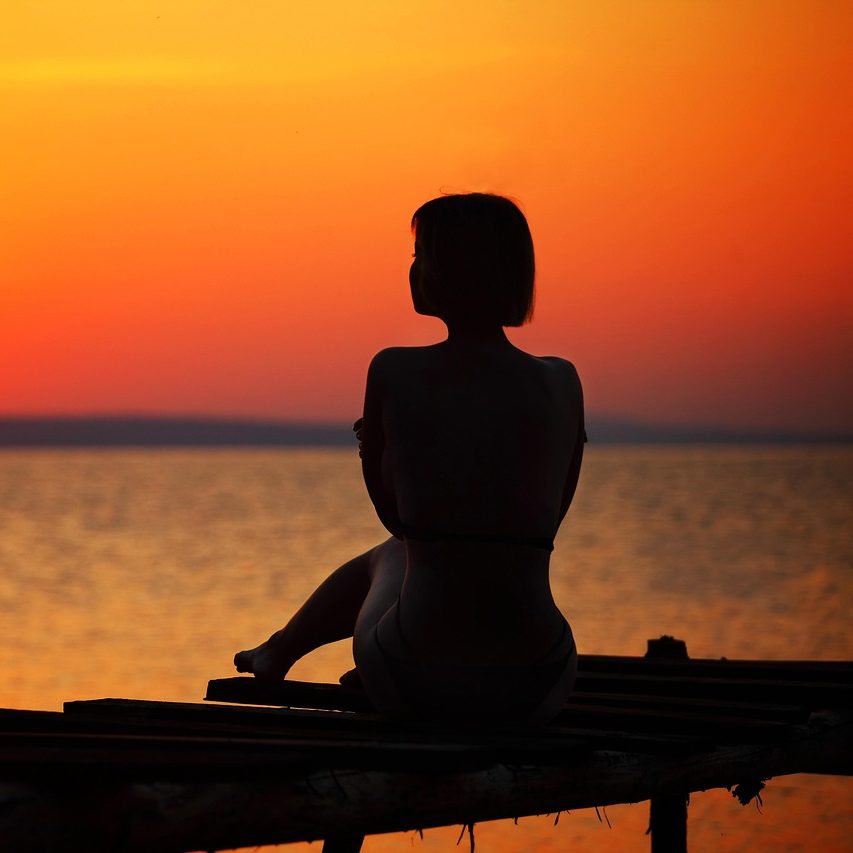
What if I told you that the secret to better sleep isn’t melatonin gummies or fancy blackout curtains but THE SUN? And that you should not just think of it as a must-have for beach days or Instagram sunsets but as the ultimate sleep regulator?
Our bodies have a built-in clock—the circadian rhythm—that decides when we should be awake and when we should be snoozing. And guess what? That clock is set by light. Specifically, natural daylight. The more morning sunlight you get, the better your sleep quality at night. It’s like nature’s way of syncing your body to the right schedule, no snooze button required.
Sunlight: The Ultimate Sleep Supplement
Science backs this up. A study published by the CDC confirms that natural light exposure improves attentiveness, sleep quality and overall circadian function. Your body’s natural response to bright light is to wake up, and when darkness falls, it knows it’s time to wind down. That’s why spending your days under fluorescent office lights and scrolling through blue-lit screens at night is the fast track to sleep struggles.
A simple fix? Step outside in the morning! Even 20–30 minutes of sunlight can help reset your internal clock, making it easier to fall asleep when bedtime rolls around. Bonus points if you pair it with movement—morning walks, biking or even sipping coffee on your balcony all count.

The Power of Morning Sunlight and Warm Colours
Morning sunlight isn’t just bright—it has a unique colour spectrum rich in warm hues like red and orange. When these warm colours reflect in our retina, they signal the brain to suppress melatonin and boost cortisol, the hormone that helps us wake up and stay alert. This natural cycle sets the tone for the rest of the day, ensuring that melatonin production ramps up later when it’s actually time for sleep.
The Balancing Act: Cortisol and Melatonin
Cortisol and melatonin are like the yin and yang of your sleep-wake cycle. Cortisol naturally peaks in the morning, giving you the energy to start the day, while melatonin rises in the evening to prepare you for rest. Exposure to morning sunlight supports this natural rhythm, helping cortisol peak at the right time and ensuring melatonin kicks in when darkness falls.
But here’s the catch: artificial lighting, especially blue light from screens, can mess with this balance. Blue light suppresses melatonin, tricking your body into thinking it’s still daytime. This is why staring at your phone before bed can leave you tossing and turning. On the flip side, exposure to red light (like the warm glow of sunset) in the evening helps encourage melatonin production, easing you into restful sleep. TIP: If you need to use your screens before bedtime, be sure to turn the red filter on to minimise the negative effects.
Less Stress, More Zzz’s
Beyond sleep, sunlight has another superpower: reducing stress. A massive study with over 400,000 participants found that each additional hour spent outdoors was linked to lower antidepressant use, improved mood, and less fatigue. In short—more sun, more smiles, better sleep.
And let’s not forget the pandemic effect. Research from the University of Colorado Boulder showed that people who spent more time outside during lockdowns had better mental health. Turns out, a daily dose of fresh air and sunshine was a pretty solid antidote to pandemic stress.
Babies Know Best: Sunlight and Sleep for All Ages
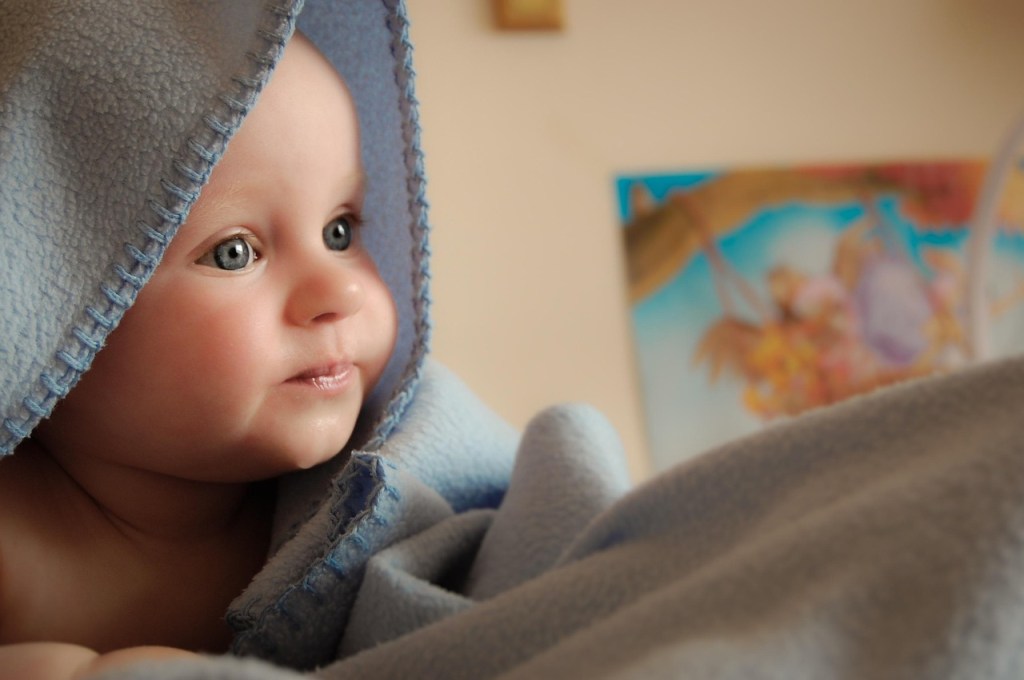
If you need more convincing, just look at babies. A 2014 study found that infants exposed to natural light in the early afternoon slept better at night. Their tiny circadian rhythms responded beautifully to sunlight, proving that from the very beginning, our bodies are wired to work with natural light cycles.
Adults aren’t any different. If you’ve ever noticed you sleep like a baby after a day spent outdoors, this is why. Your body craves light in the day and darkness at night—it’s how we’re built.
Sunlight: Friend or Foe?
Hopefully, by now you have heard (and acted upon) the warnings about sun exposure. As much as we need to be protected daily against the ageing and damaging sun rays, we also need them, in moderation, to produce Vitamin D, avoid mood disorders as well as—you guessed it—poor sleep.
So, don’t fear the sun. Be smart about it. Get your morning light, wear sunscreen and protective garments, and embrace the benefits.
Sleep Better, Live Longer
The world’s longest-living people—those in the Blue Zones—spend plenty of time outside. Whether it’s tending to their gardens, walking to meet friends or simply soaking up the daylight, they integrate natural light exposure into their daily lives. And guess what? They sleep well and live longer.
The takeaway? Get outside. Ditch the artificial light overload. Soak in the morning sun. Sleep better and live better.
 Healthy Paula
Leave a comment