
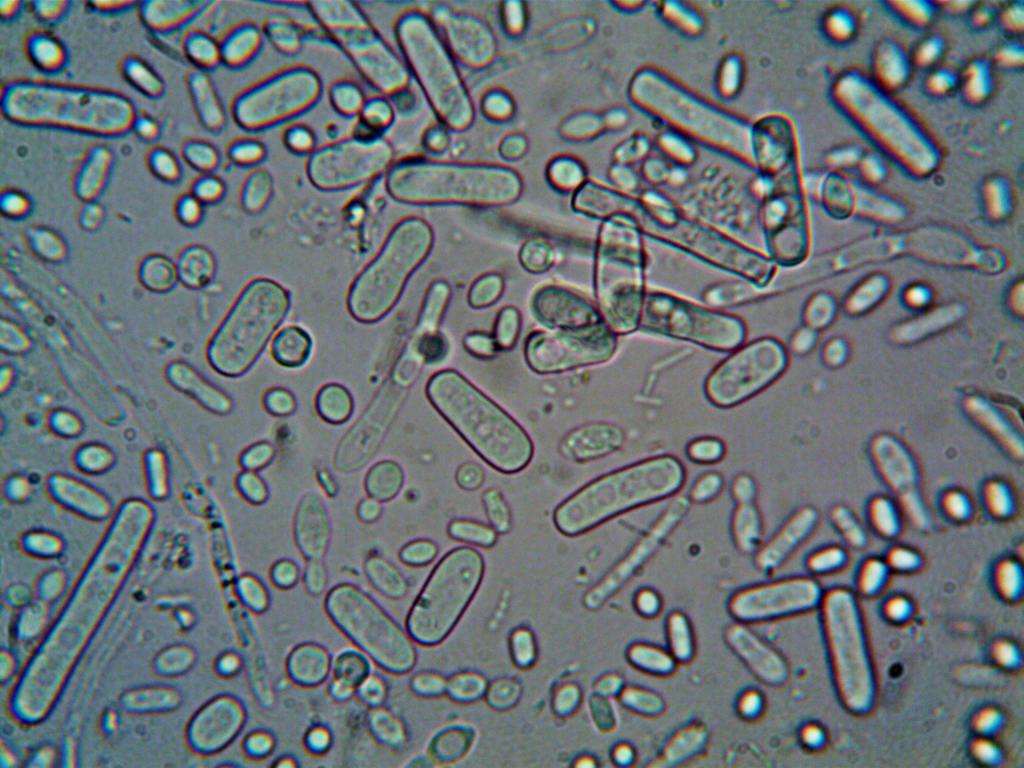
If you think of your gut as just the place where your food gets digested, think again. Welcome to the world of the gut microbiome—a community of trillions of bacteria, viruses, fungi and even parasites that reside within your digestive tract. These microscopic residents are far from passive: they play an essential role in everything from digestion to mood regulation.
A Personal Ecosystem
Your gut microbiome is as unique as your fingerprint. It begins forming at birth, with infants inheriting their first microbes from their mother during vaginal delivery or through breastfeeding. As you grow, your diet, environment and lifestyle further shape this ecosystem, adding or eliminating various microorganisms. Some of these new additions enhance the diversity of your gut, while others might disrupt the balance, leading to potential health issues.
Why the Gut Microbiome Matters
The relationship between you and your gut microbiome is symbiotic, meaning both parties benefit. You provide these microorganisms with a hospitable living place and nutrients, and in return, they perform several vital functions that are crucial for your health. One of their most important roles is to keep harmful microbes in check, ensuring that your gut remains a balanced and healthy environment.
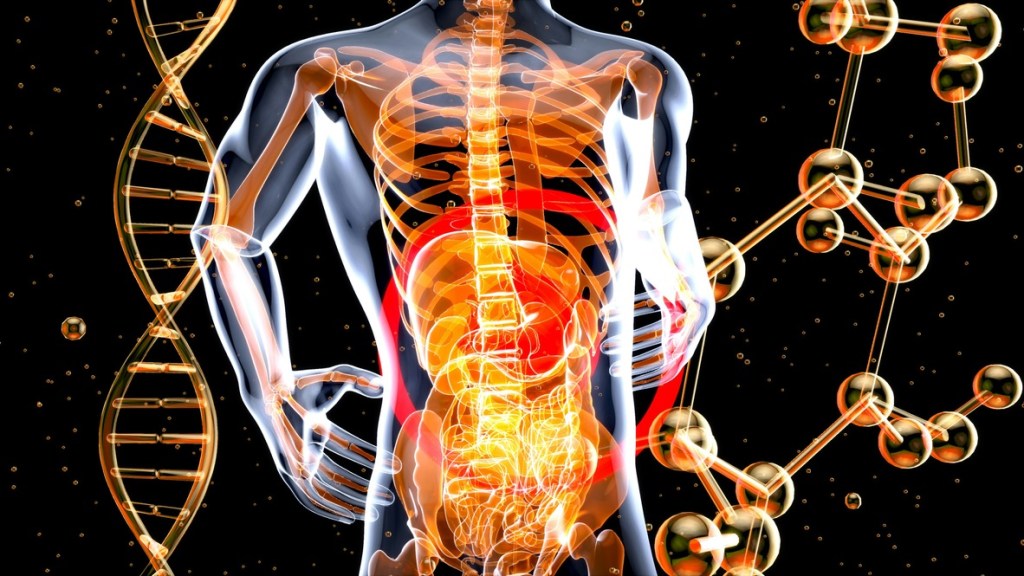
The Many Roles of Your Microbiome
Your gut microbiome is a multi-talented organ that quietly influencing various body systems:
1. Digestive System:
The bacteria in your gut assist in breaking down complex carbohydrates and dietary fibres that your body can’t digest on its own. They produce short-chain fatty acids (SCFAs) as byproducts, which are key to maintaining a healthy gut lining. These bacteria also synthesise essential vitamins like B1, B9, B12 and K helping to prevent micronutrient deficiencies that could impact your health.
Gut bacteria also play a crucial role in metabolising bile, a substance produced by your liver to help in fat digestion. Once the bile has done its job, these bacteria help break it down so it can be reabsorbed and recycled by your liver. Without this process, your body would struggle to digest fats and excess cholesterol would accumulate in your blood.
2. Immune System:
Did you know that your gut is home to up to 80% of your immune cells? Beneficial microbes are your first line of defense. They compete with harmful bacteria for space and nutrients, preventing the “bad” types from taking over.
Short-chain fatty acids, the byproducts of helpful gut bacteria, also have anti-inflammatory properties. They help maintain the gut barrier, preventing bacteria and toxins from escaping into your bloodstream. This is crucial because inflammation, while a natural immune response, can become problematic if it gets out of control. By suppressing hyper-reactive inflammatory responses, these short chain fatty acids help keep your immune system balanced.

3. Nervous System:
The gut-brain axis is a fascinating network of nerves, neurons and neurotransmitters that link your gut to your brain. Certain gut bacteria produce neurotransmitters like serotonin, which influence your mood and behaviour. Research shows that your microbiome plays a role in various neurological and mood disorders, highlighting the importance a healthy gut for overall mental well-being.
4. Endocrine System:
Your gut is also the largest endocrine organ in your body, thanks to its entero-endocrine cells. These cells interact with your gut microbiome and secrete hormones that regulate metabolism, including blood sugar levels and appetite. There’s growing evidence that an unhealthy gut microbiome contributes to metabolic disorders such as obesity, insulin resistance and Type 2 diabetes.
Dysbiosis: falling out of balance
“Dysbiosis” is the term used to describe an unhealthy or unbalanced gut microbiome. This condition can result from the loss of beneficial bacteria, the overgrowth of harmful bacteria or a lack of diversity within the microbiome. Dysbiosis can lead to a plethora of health issues, as the delicate balance within your gut is disrupted.
The impact of environmental factors
Just like the world outside, your gut microbiome is influenced by various factors, including your diet, exposure to chemicals and even how regularly you move your bowels.
1. Diet:
A diverse and plant-rich diet is essential for a healthy gut microbiome. Different microorganisms thrive on different types of plant fibres found in whole foods like grains, vegetables and fruits. These foods not only nourish your gut bacteria but also lower the pH inside your gut, creating an environment that favours beneficial microbes.
In contrast, a diet high in sugar and saturated fats tends to promote the growth of less helpful microorganisms. Processed foods, which are often low in fibre and high in additives and preservatives, can harm your microbiome, leading to dysbiosis.

2. Chemicals:
Alcohol, tobacco and pollutants can harm your microbiome, while antibiotics can wipe out both good and bad bacteria. Although your gut can usually recover from temporary chemical exposure, chronic exposure can have lasting effects.
3. Diversity:
In a healthy gut microbiome, different types of microorganisms support each other, maintaining a balanced ecosystem. However, a lack of diversity can make your microbiome more vulnerable to invasion by harmful bacteria, which can deplete resources and disrupt the overall balance.
4. Motility:
Motility refers to the movement of food and waste through your digestive tract. This process helps distribute different microbes along your GI tract and ensures that your microbiome remains balanced. If your gut motility is too slow or too fast, it can lead to an overgrowth of certain bacteria or prevent them from settling in the right areas.
Health conditions and dysbiosis
An unbalanced gut microbiome has been linked to various health conditions:
- Infections: Harmful pathogens can cause temporary or chronic infections in your gut, leading to symptoms like diarrhea and inflammation. Dysbiosis weakens your gut’s defences against these pathogens.
- Small Intestinal Bacterial Overgrowth (SIBO): This condition occurs when bacteria in your small intestine become overgrown, leading to digestive issues and nutrient malabsorption.
- Inflammatory Bowel Disease (IBD): IBD, which includes conditions like ulcerative colitis and Crohn’s disease, is often associated with gut dysbiosis. Researchers are still investigating the exact relationship, but it’s clear that dysbiosis and IBD exacerbate each other.
- Other Conditions: Gut dysbiosis may also play a role in allergies, anxiety, depression, chronic fatigue syndrome, diabetes, obesity, and neurodegenerative diseases.
An unhealthy microbiome
If your gut microbiome is out of balance, you might experience symptoms such as:
- Gas and bloating
- Poor digestion
- Lower abdominal pain
- Diarrhea or constipation
Taking Care of Your Gut Microbiome
Maintaining a healthy gut microbiome is key to overall health. Here are some simple steps you can take:
1. Eat a Diverse, Plant-Rich Diet:
Incorporate a variety of whole foods like grains, vegetables and fruits into your diet. These foods provide the dietary fibre your gut microbes need to thrive, as well as essential micronutrients for your overall health. Avoid processed foods, which can harm your gut microbiome.
2. Try Probiotics, Prebiotics, and Postbiotics:
Probiotics are live beneficial microbes that you can ingest, while prebiotics are the fibers that feed them. Postbiotics are the beneficial byproducts of probiotics. Including these in your diet can help maintain a healthy gut microbiome.

3. Use Antibiotics Wisely:
While antibiotics are sometimes necessary, overuse can disrupt your gut microbiome by killing off beneficial bacteria. Use them only when needed and consider taking probiotics during and after a course of antibiotics to help restore your gut balance.
The Bottom Line
Your gut microbiome is a vital part of your health, influencing everything from digestion to mood. As research continues to uncover the complex interactions between gut bacteria and your body, it’s becoming increasingly clear that a healthy gut is essential for overall well-being. By following a balanced diet and making lifestyle choices that support your gut microbiome, you can take control of your health from the inside out. Remember, true health starts in the gut, and a diverse, plant-rich diet is the key to keeping it in balance.


Leave a Reply