

Ever had plastic for lunch? No? Hate to break it to you, but chances are, you’ve already eaten a fair share of it today—without even realising. Microplastics, those sneaky little fragments smaller than five millimetres, have infiltrated our food, water and even the air we breathe. They’re everywhere and, unfortunately, they aren’t just passing through unnoticed.
The Uninvited Dinner Guests
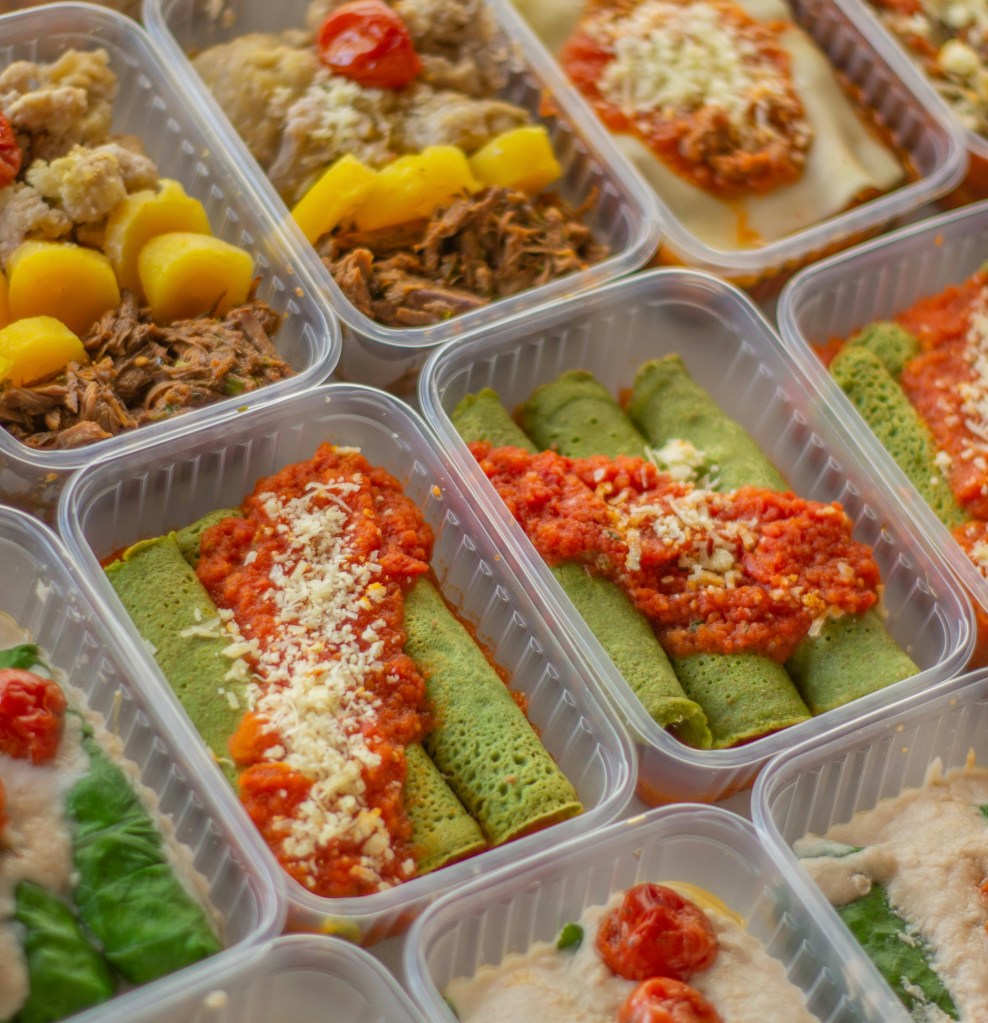
Microplastics come from all sorts of places: crumbling plastic waste, synthetic clothes shedding in the wash, industrial processes spewing tiny particles into the air. Once released, they hitch a ride through our environment, contaminating water, soil and, yes—our food.
A study from Portland State University found that 99% of seafood samples (shrimp, crab, oysters—you name it) contained microplastics, mostly fibres from clothing. That means every time you do laundry, those comfy leggings might be sending microscopic threads into waterways, only for them to end up in your next sushi roll. Delicious, right?
Oh, and it’s not just seafood. Microplastics have also been found in fruits and veggies, thanks to contaminated soil and water. Even that organic apple from the farmers market isn’t safe.
The Health Risks: Your Body Wasn’t Built to Digest Plastic
While research is still evolving, scientists have already found that these plastic particles don’t just leave your body. They get absorbed. Worse, nanoplastics (even tinier versions) have been found in human brain tissue, according to a recent study from Utrecht University. That’s right—plastic has officially made it past the blood-brain barrier.
The implications? So far, researchers found they are linked to many issues:
- Inflammation & oxidative stress (which can speed up ageing)
- Hormonal disruptions (because plastics love to mimic estrogen)
- Cardiovascular issues
- Reproductive problems (yep, they mess with fertility too)
And here’s the real kicker: the amount of microplastics in the human brain has doubled in just eight years. At this rate, we’ll all be part Barbies or Ken in 2050…
Can You Avoid Microplastics?
Short answer? Not entirely. They’re in the water, the air, the food—everywhere. Unless you plan on moving to another planet, microplastic exposure is inevitable. Even that remote island in the Pacific has wild life with nanoplastics from a source they have never seen or got near to. But you can cut down your intake with a few smart swaps:
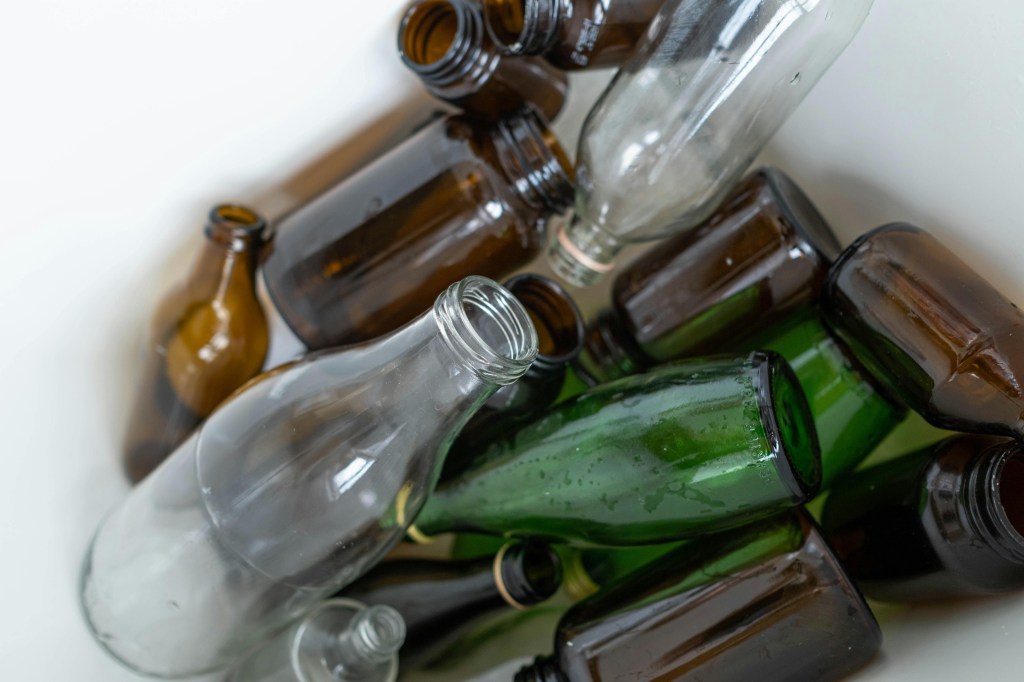
- Drink smart: Use a stainless steel or glass water bottle instead of plastic ones (which shed particles every time you sip). And invest in a good water filter—reverse osmosis or activated carbon filters can catch microplastics before they reach your glass.
- Eat fresh: Processed foods tend to have more plastic contamination from packaging and manufacturing. Stick to whole, fresh foods—and wash your produce well.
- Rethink your kitchenware: Ditch plastic containers, non-stick pans and single-use coffee cups. Especially that plastic cutting board that is labeled as “cleaner” and adds microplastics to your recipe every time you cut on it. Glass, metal and ceramic are your new best friends.
- Change your laundry game: Synthetic fabrics (like polyester) shed plastic fibres every time they’re washed. Choose natural materials like cotton, hemp or linen when you can—and if you must wear synthetics, try to use a microplastic-filtering laundry bag.
The reality? Microplastics are here to stay. But with a few mindful changes, you can at least keep them from becoming a staple in your diet. Because, let’s be honest—plastic-free meals just taste better.


Leave a Reply